

Welcome back to this week's journal, where I'll share some work-related news. We recently signed a new license for a Japanese cartoon, our first time doing this kind of international cartoon licensing. This collaboration has been in the works for about six months, and after a round of preparation, we finally signed the contract. We believe it should be launched soon, enriching our selection of Re Bedding. I know some people feel we don't have enough styles right now, and they understand; I'm working hard.
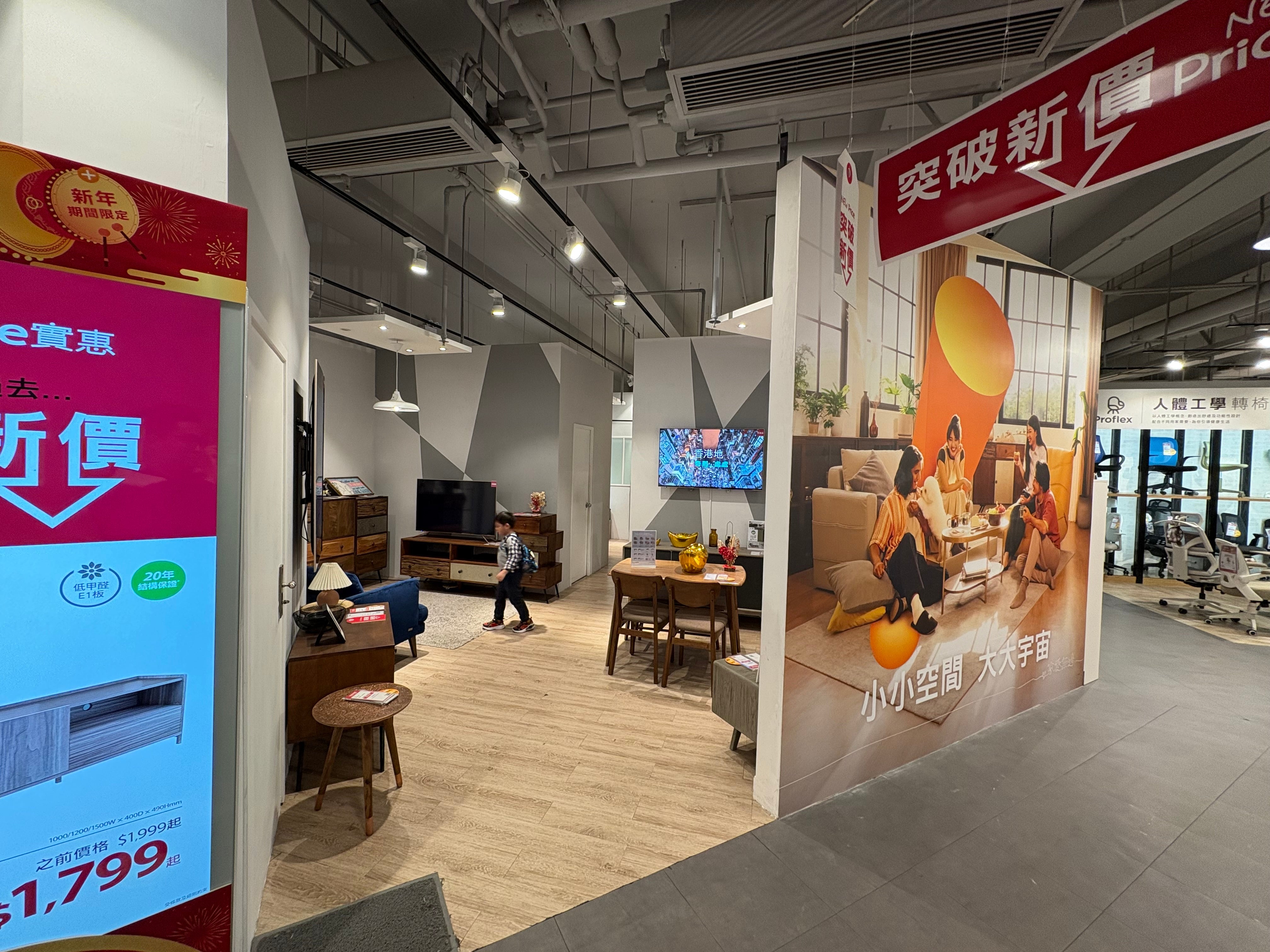
Recently, I've been in talks with various department stores and home goods companies, hoping to collaborate and promote our products so they can be found in different places, which would also increase brand awareness. In the past, I've been somewhat reluctant to engage in these types of collaborations because I strongly advocate for Direct to Consumer (D2C), the so-called "cut the middleman" sales method. After all, if a product is $100, why should I go through these intermediary companies and make the customer pay $140 for a product that's only $100? Why not just sell it directly to the customer for $100?
As a consumer myself, I disagree with this way of shopping that involves intermediaries. I feel it benefits neither the product manufacturer (me) nor the consumers; ultimately, only the distribution companies in the middle benefit. In the past, perhaps because there was no internet, or because brands rarely had their own websites, customers needed to buy different brands through department stores. Even the online department stores that have emerged in the last decade (I won't name names) take a cut, resulting in what I believe is a lose-lose situation. Today, I think avoiding intermediaries is ideal. As James Dyson said (or as many know), he strongly encourages buying directly from the people who made it. It's essentially the same thing. Therefore, I have always been quite strategic in avoiding doing business in department stores. If you look at our website, you will see that we strongly encourage everyone to place orders directly on the website. You will also see that apart from our own website, you can buy our products. There are no other places online where we sell them (we do not list on other online shopping platforms like other brands). Although we do have pillows listed in other department stores, the vast majority of our products are not actually placed in department stores. This indirectly encourages customers to come to our own stores to buy. Including the fact that only in stores can you have staff introduce products and try them out, we actually want to encourage everyone to come and buy directly from us.
However, the reality is that we have heard many customers say that they want us to be able to buy our products in more department stores, and they also feel that we have too few stores and hope that we can expand our scale to increase our brand awareness. I understand that.
Unfortunately, department stores do have access to a wider range of customers buying bedding, while our three branches, though self-operated, have a limited reach. Therefore, I've given this a lot of thought – should I really try to expand into more department stores or home goods stores to increase brand awareness (but knowing that a significant portion of customers' money ends up in the hands of middlemen is something I don't want)? Is this an unavoidable process? Or is there a better way to achieve a balance? No one really has the answer to this. However, due to the recent economic downturn, these department stores do have more room for negotiation; perhaps a $100 item doesn't need to be sold to a customer for $140. Therefore, I've been actively negotiating prices with them recently – it's something I'm trying.
At the same time, I'm also working on some longer-term projects—but I can't say for sure yet. I hope someone will come to fruition, and then I'll tell everyone!


#139 A constantly changing business environment, meeting more people, how should we conduct ourselves amidst change? (02/02/2025)
#141 The Importance of Company Operational Efficiency (16/02/2025)