

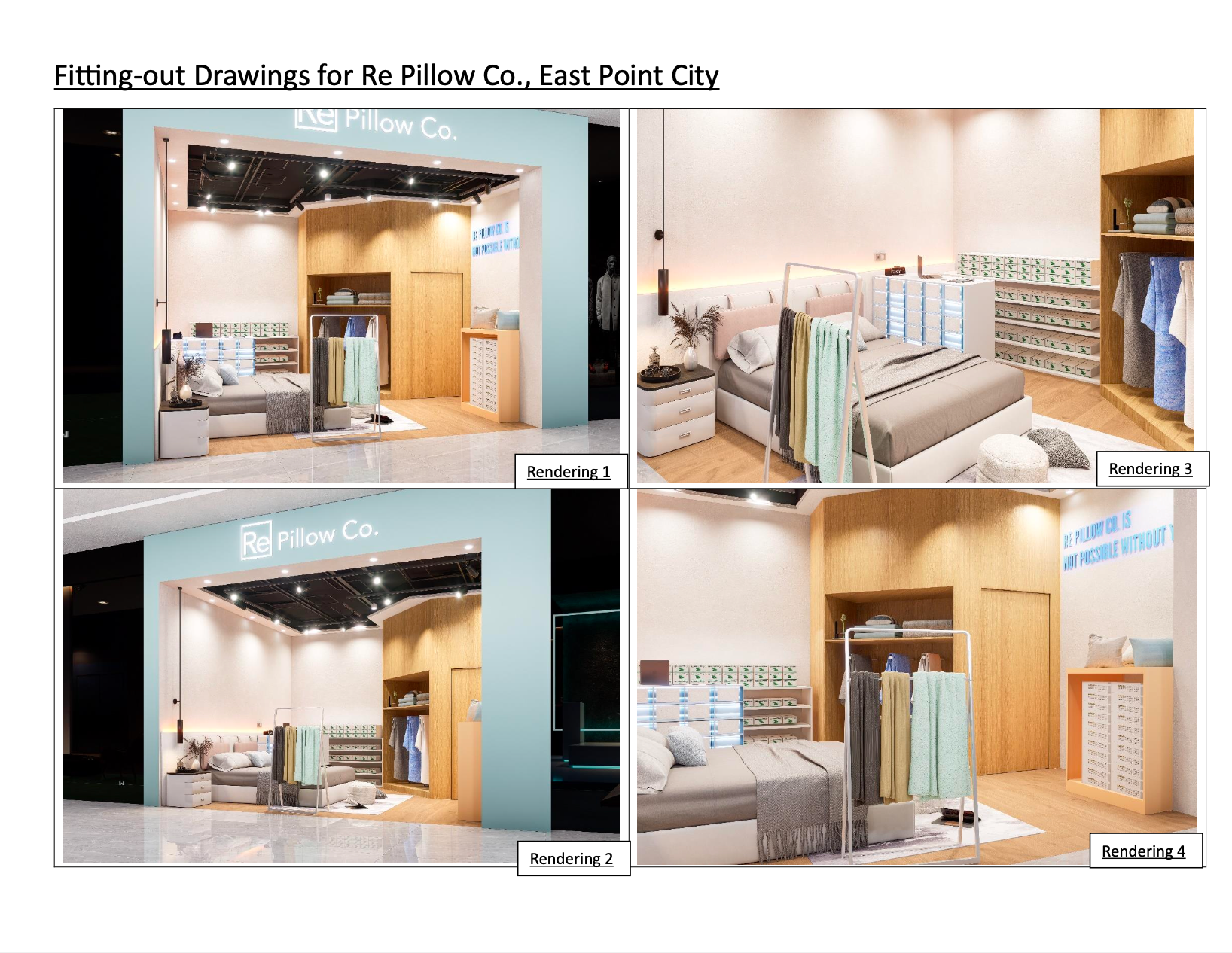
Last week I shared about the opening of the Tseung Kwan O store on social media. I've been busy with the store's preparations lately, so there's nothing much to share this week. However, I'll briefly explain how to open a shop in a shopping mall, which might help some beginners.
First, let's go back to the first step: the shopping mall will invite you/you will proactively contact the mall to discuss a shop space. Shopping malls are usually divided into zones; for example, certain locations/floors may be dedicated to certain types of product shops or restaurants. In addition to checking which shops in the mall are currently vacant, you can also contact the mall to tell them what industry you are in and what size you need. They will then look for suitable shops that are about to expire and can be rented to you.
After communicating and contacting the shopping mall and finding a suitable shop location, the next step is to discuss the price and lease details, such as whether there will be a rent-free period, the lease term, etc. Any special requirements from both parties regarding the lease should also be raised at this time. Once these are finalized, the contract can be negotiated and signed.
After signing the contract, there are usually several months before the store opens. This period is the busiest time, and it is also the stage where our Tseung Kwan O store is currently. During this period, you need to submit the store's floor plan, ceiling plan, fire protection equipment, shower plan, 3D stereoscopic concept drawing, decoration material samples, etc. to the shopping mall for approval. If the shopping mall approves, construction will begin.
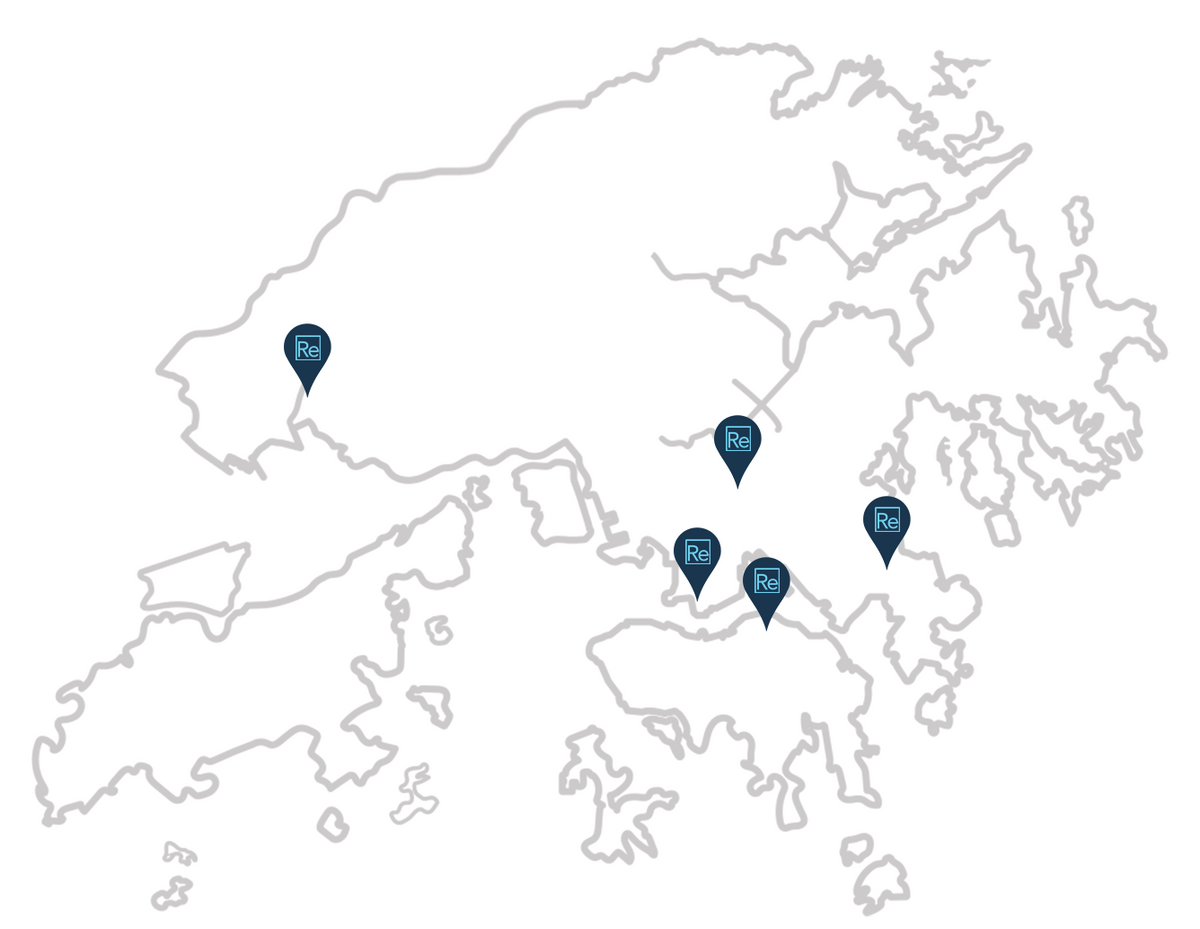
This stage takes the most time. I've been dealing with this for the past two weeks. But it gets easier the more you do it because you already have experience opening shops. For example, like this one in Tseung Kwan O, I also have experience opening shops in Tsim Sha Tsui and North Point. Now it's easier to do the design, select materials, etc., because they are basically the same. It's like doing it again.
After that, things become relatively simple: start renovations and then prepare to open for business! That's roughly it. Having a familiar renovation team at this stage makes things much easier. For example, the same team handled our renovations in Tsim Sha Tsui, North Point, and future Tseung Kwan O. They're more experienced, so we don't have to redo everything. They generally know what to do and what my requirements are, making cooperation easier.
Having finished talking about opening the shop, I'd like to write about some other things.
The incident stemmed from a part-time sales colleague being late this Saturday because he "misread the date and forgot he had to go to work." This wasn't the first time this had happened, and he ended up arriving two hours late. Since our store is run by one person, being late is a big deal. I believe the person who was late wasn't doing it intentionally, nor was he trying to be lazy or disrespectful; he genuinely hadn't been paying attention. Honestly, I don't want to criticize him, and I don't know how. I know this colleague genuinely wants what's best for the company (because the Re Pillow 3 + Pro Add-On solved his shoulder pain problem, and he no longer needs to see a doctor), but this incident really discourages me. Sometimes in my weekly journals, people see me writing about how I want Re Pillow to improve, but we can't keep making mistakes like this; it's unreasonable. We want to become a more mainstream brand with wider recognition, but if we can't even ensure our branches open on time, how can we convince people that we can make good, reliable products? This is the difference between small and large companies. Large companies have hundreds of branches throughout Hong Kong, and they open at exactly the same time every day. Small companies, on the other hand, sometimes you might go and find they're not open. I think this is very important.
Sometimes I feel powerless. But I know I must solve this problem; it's a necessary part of growing up.
#112 A sentimental article (21/07/2024)
#114 Short-term vs. Long-term: The Significance of a Company (04/08/2024)