

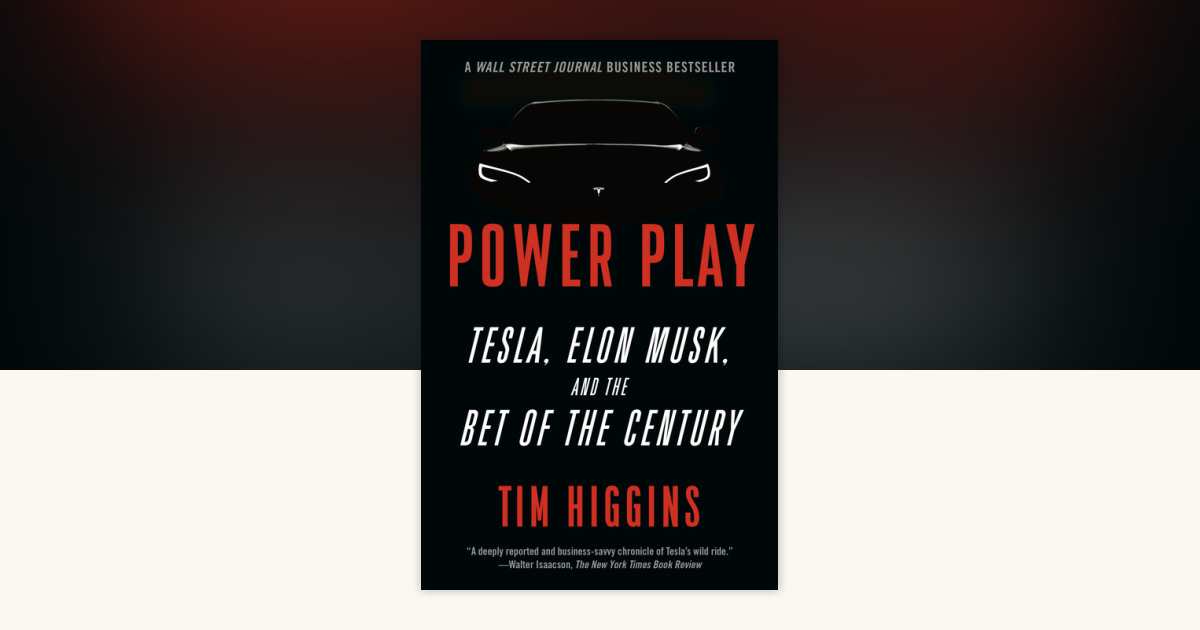
I've recently been reading a book called *Power Play: Tesla, Elon Musk, and the bet of the century* (by Tim Higgins). This book talks about how Tesla was born. Reading about many of the struggles it described resonated with me, reminding me of my own experiences running Re Pillow Co. Of course, we were completely different, with vastly different influence and capabilities compared to Tesla. But if you look closely, the way I set up Re Pillow, developed the products, product lines, and even the sales network, was entirely different from a traditional bedding company. This was something I deliberately did; it wasn't a coincidence. But venturing into a different market is very difficult because most customers might not understand. They might think, "Why are you doing this? Wasn't the old approach better?" Then, on the other side of the box, the existing beneficiaries will know what I'm doing. They will see that in the long run, it challenges their own positions and the positions that everyone else is already in, which they don't want.
Let me give you an example to make it clearer. In the early days of Re Pillow, around 2021-2024, we had a regular partnership with department stores to distribute our products to them for resale. This was a very traditional and common distribution retail model. Of course, the department stores would cut a portion of the price for each product, but this was a common practice. For example, you see brands like Nike and Adidas selling their shoes in Hong Kong in the same way. Even if the store looks like a Nike Store, it's actually operated and sold by distributors. They take a portion and then give it back to the product manufacturer, such as Nike.
Of course, Nike isn't stupid. They wouldn't give money away to distributors for no reason; there must be some benefit or convenience involved. The so-called division of labor means that each person is responsible for a part, which is the basic structure of modern society. But speaking for ourselves, sometimes some models have been around for too long. In a world that changes so quickly, I personally think that no method can be used forever. In the end, no matter how many business partners or friends you have, the final decision should be made in the best interests of the customer. For example, you know that eliminating a middleman like a distributor and doing it yourself can provide better service to customers because distributors often fail to meet your requirements, and their promises to improve are never enough, leaving customers dissatisfied. But if you do this, the distributor might be a long-time friend of yours. You know it's a good thing, but you might not actually get the goods. But you still have to do it because remember, even if it's your friend, after work and changing clothes, he's still just an ordinary person. He also goes shopping, watches movies, and eats out. He also wants to buy things that are cheaper, of better quality, and with better after-sales service.
I think I need to add anything more. You should already understand.
So recently I was talking to some colleagues, and one of them said to me, "How can we manage like this? We have to pay rent, right..." etc. Of course, I didn't blame him! Because he transferred from another big company in the industry, and he's a very capable person. But I immediately said, "No, you're wrong. We're responsible to the customer, ensuring they get the best deal at the best price. We don't have to be responsible to the real estate developer." Actually, I had another sentence, but I didn't say it: If there's something that needs to be sacrificed, I'm willing to do it to get things done well.
It's similar to when Elon Musk was willing to risk everything to build Tesla . That's all for this week, see you next week!
#187 How to ensure a company's long-term sustainability (04/01/2025)
#189 Companies tend to amplify the founder/principal's personality and way of doing things (18/01/2026)