

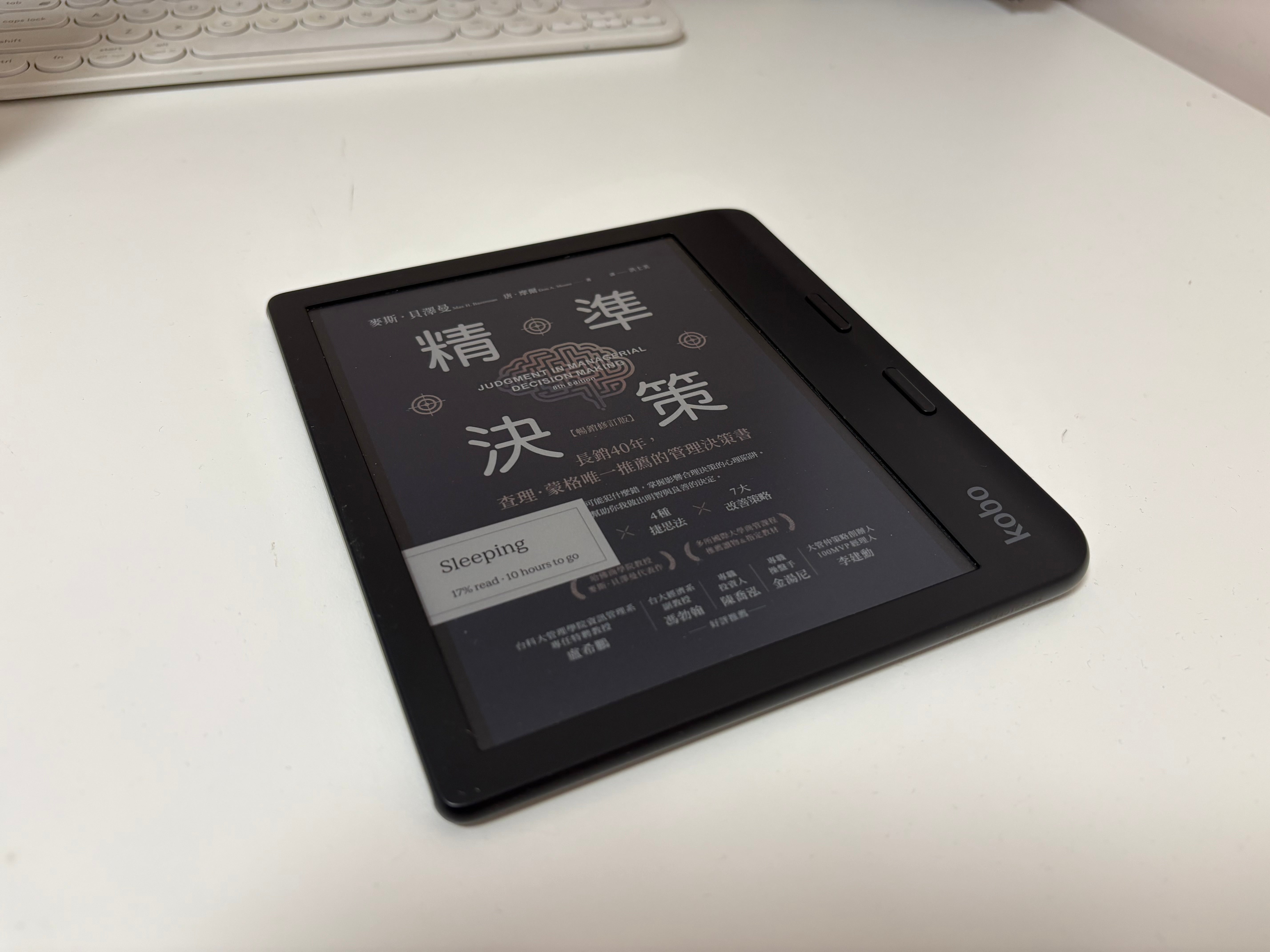
During secondary school, I studied "A Teacher's Discourse" in Chinese class, and one line still often comes to mind: "To learn little things and abandon big ones, I do not see its wisdom." This sentence has stuck with me ever since I heard it. There are so many real-life examples where we truly "learn little things and abandon big ones," meaning we fret over small details and try to perfect them, but then make mistakes or overlook important matters.
Let me give an example. Frugality is a virtue. Some people are incredibly shrewd calculators and save every penny possible. In their daily lives, they save every single dollar they can. However, precisely because of this frugal nature, they might inadvertently purchase problematic products, leading to health issues. They then end up spending a large sum, tens or hundreds of thousands, on hospital bills. Saving money is good, but when it reaches this extent, it can actually harm oneself.
In the past year, I've gradually gained more insights, realizing that it's crucial to distinguish between big and small matters in life. What are big and small matters, what's primary and secondary, and how should time be allocated? I've witnessed many tragic examples where making a major wrong decision or choosing the wrong direction can be irreversible. My personal method for distinguishing between big and small is this: five years from now, will this matter still be important? Some minor mistakes won't bother you five years down the line, so let them go. For instance, whether you bought a black shirt or a white shirt today, it likely won't have any significant impact on your life five years from now, so just let it be. However, some decisions can have far-reaching consequences, or not making a decision is itself a decision, making your future life more difficult. These decisions need to be made carefully. Reversing a wrong path and redoing it takes an immense amount of time. So sometimes, I feel that if I'm unsure what to do, I'd rather ask for more opinions and spend a few more months sorting things out. Once everything is sorted, then proceed; things will go much smoother. Otherwise, just pressing ahead and making a mistake will end up taking even more time to backtrack. Similarly, it's good for people to have hobbies and interests, but don't become too obsessed. Don't dedicate so much time and energy to them that you forget your primary work tasks, as this can lead to "playing with things and losing one's ambition." Or sometimes, not wanting to offend people or make them unhappy, you might neglect things that should be done, ultimately harming yourself.
Seize every opportunity and moment in life, make the best decisions, and do your utmost.

#212 its not about how, but who(28/06/2026)
#214 Within One's Comfort Zone Principle and Common Theories (12/07/2026)